News
From 4th-6th August 2026, TaxDev worked with Kenya’s National Treasury to deliver training sessions on data analysis using R and government revenue forecasting.
The training brought together technical staff from across the National Treasury’s Macro and Fiscal Affairs Department (M&FAD), with the aim of strengthening analytical skills and supporting the use of administrative data and forecasting tools to inform tax policy decisions.
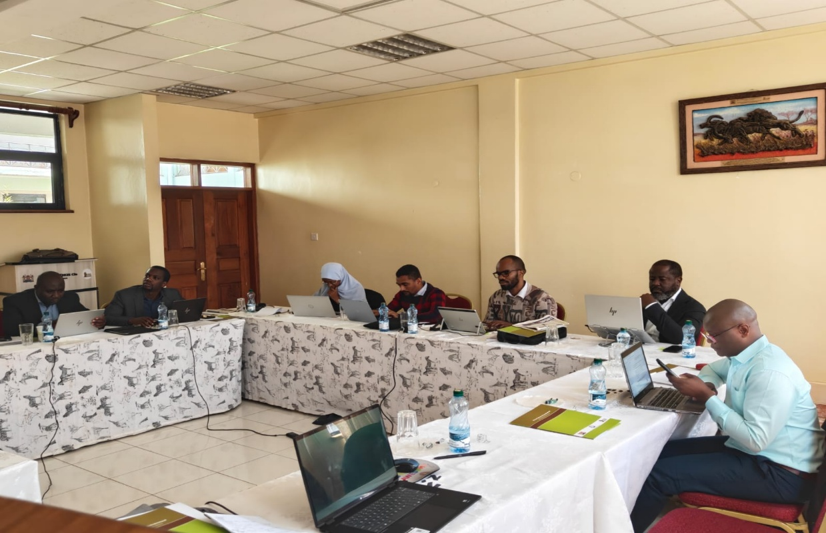
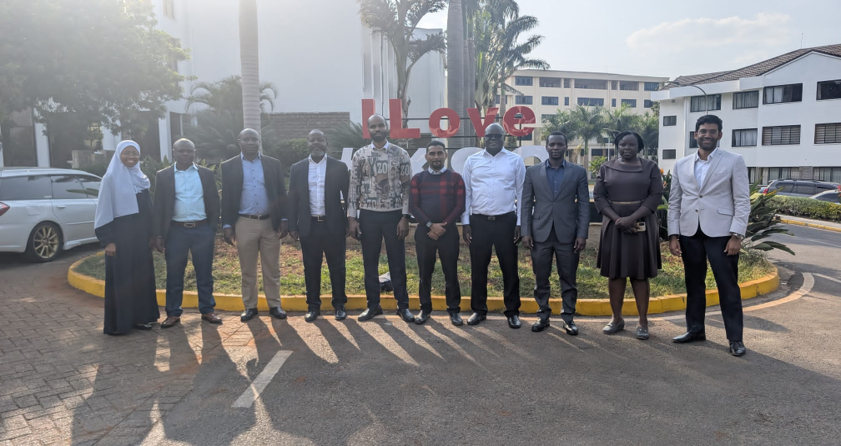
On 4th-5th August 2026, seven National Treasury staff participated in a two-day training course on data analysis using R, a statistical programming language widely used for data analysis and modelling. The sessions covered three areas: accessing tax administration data, getting familiar with R and RStudio, and applying R to practical policy analysis, including examples from the Finance Bill 2026. The training went beyond a general introduction to R by showing how it applies directly to the National Treasury's tax policy work. Practical exercises used customs data and Finance Bill 2026 examples to take participants through a full analytical process: accessing and importing administrative data, validating and manipulating it, producing descriptive statistics, and carrying out revenue costing and tax expenditure analysis. The training gave participants a solid foundation for using reproducible, data-driven analytical methods in their work.
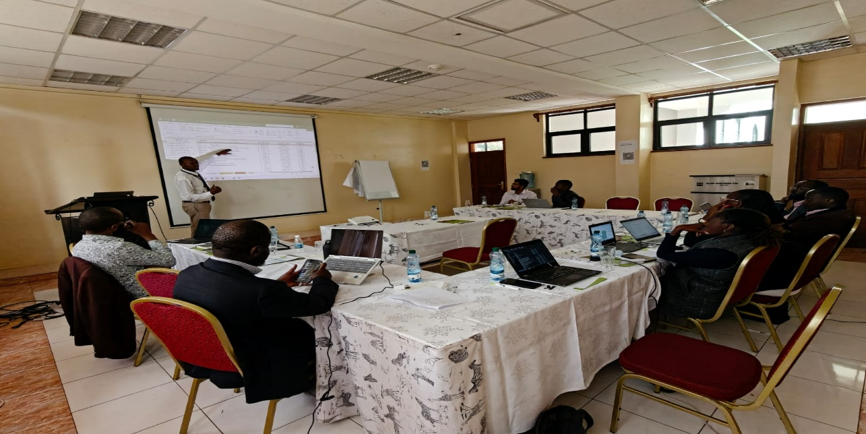
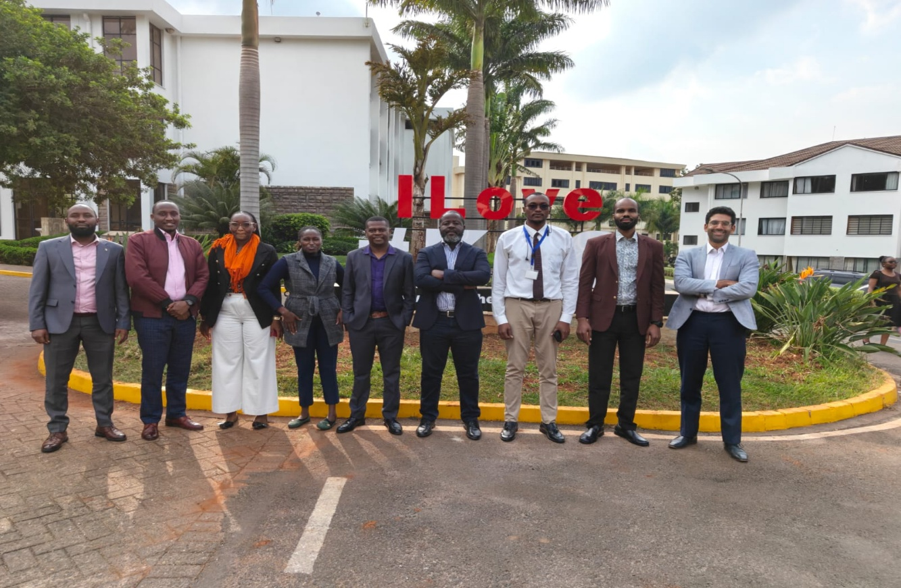
On 6th August 2026, TaxDev delivered a one-day revenue forecasting training course for 11 technical staff from the National Treasury’s Fiscal Policy Division. This training aimed to strengthen participants' knowledge and practical skills in government revenue forecasting. It combined three elements: conceptual discussions on forecasting approaches, hands-on use of the recently acquired M&FAD Excel-Based Revenue Forecasting Tool, and an overview of alternative forecasting models that could complement the tool.
Participants deepened their understanding of both the theory and the practice of revenue forecasting. Working with the M&FAD Excel-based elasticity model, they estimated and interpreted tax elasticities, linked individual revenue streams to their macroeconomic tax bases, generated revenue projections and evaluated forecast accuracy.
A key message was that improvements to the forecasting framework should balance technical sophistication against accuracy, transparency, policy relevance, data requirements and institutional sustainability. The training laid a foundation for further strengthening the National Treasury's revenue forecasting tool through:
TaxDev will continue working with the National Treasury to support the practical application of the skills developed during the training.
This will include further engagement on the use of R for tax policy analysis, drawing on administrative datasets and ongoing policy assignments. TaxDev will also work with the Fiscal Policy Division to support the continued use and refinement of its revenue forecasting tool.
Together, these activities form part of TaxDev’s wider partnership with Kenya’s National Treasury to strengthen analytical skills and support evidence-based tax policymaking.
Photos of participants of the data analytics training (Photos by Dr. Alex Oguso, Country Economist, Kenya):
Photos of participants during the revenue forecasting training (Photos by Dr. Alex Oguso, Country Economist, Kenya):
Published on: 4th August 2026
Print